United In God's Work
-
 Donor Login
| -
 0
0 | 
|
 Donor Login
 0
0

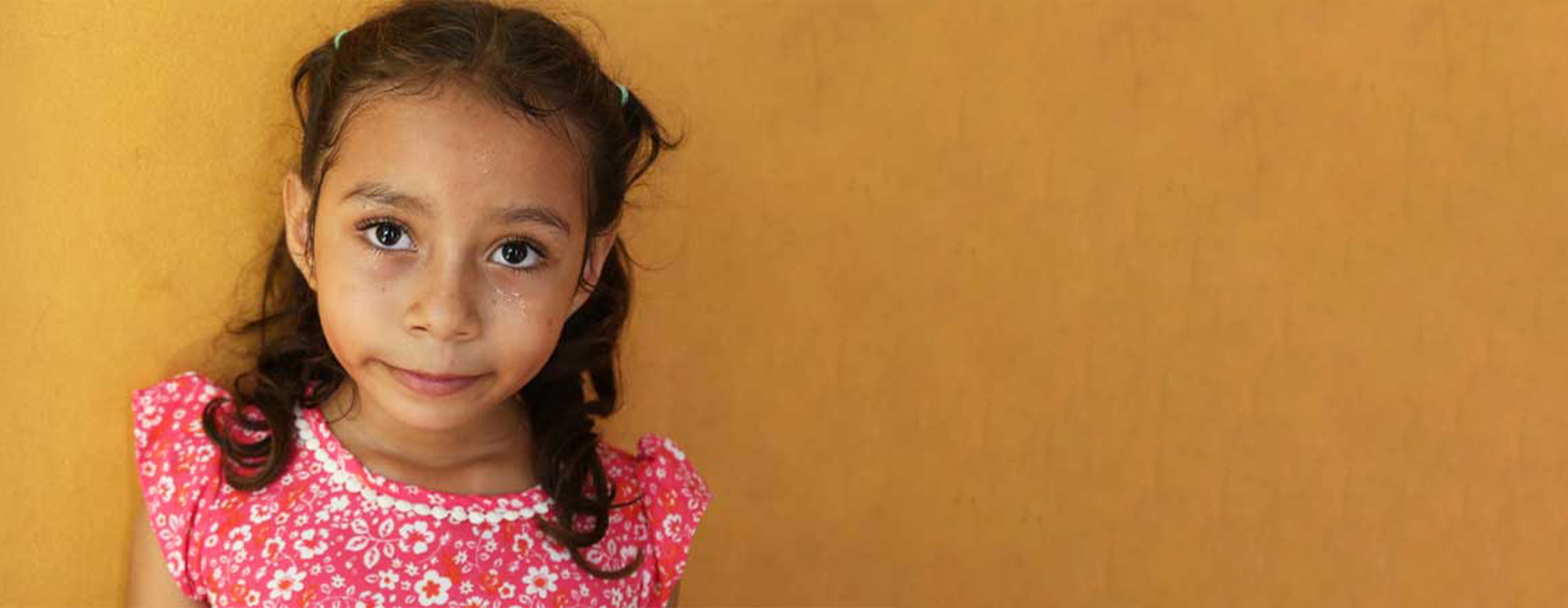
Having an anti-poverty policy targeted to vulnerable groups is essential because poverty affects people differently depending on their age, gender, ethnicity, geography, and social status. Vulnerable groups—such as children, women, Indigenous populations, people with disabilities, and those living in remote or disaster-prone areas—often face additional barriers to accessing education, healthcare, employment, and social protection. A one-size-fits-all approach may overlook their specific needs, allowing inequalities to persist or worsen over time.
Targeted policies ensure that resources and support reach those who need them most, helping to break the cycles of marginalization and deprivation. By focusing on these groups, Food For The Poor creates opportunities for economic participation, improve social inclusion, and foster community resilience. In the long term, inclusive anti-poverty strategies not only lift individuals out of poverty but also strengthen the social and economic fabric of entire societies.
Food For The Poor helps vulnerable groups escape poverty by combining immediate relief with long-term development strategies focused on self-sufficiency and dignity. The organization provides essential resources like food, clean water, housing, and medical supplies to meet urgent needs, especially in remote and underserved areas. Beyond emergency aid, it empowers individuals through vocational training, education, and support for small-scale farming and entrepreneurship. Vulnerable groups including women, children, Indigenous communities, and those affected by disasters benefit from access to tools, seeds, land, and cooperative programs that open up income-generating opportunities. Food For The Poor also invests in building resilient infrastructure and promoting sustainable practices, helping families and communities not only recover but thrive. Through this holistic approach, the organization creates pathways out of poverty and into long-term stability.
Many of the children in Angels of Hope come to the program from families that have been trapped in poverty for generations. For three vulnerable children—David, Astre, and Madelyn—poverty once seemed like an inescapable reality. However, after joining the Angels of Hope program, their life prospects completely turned around. Achieving such remarkable results takes years of nurturing and dedication, made possible by a network of deeply invested donors who aren't afraid to step up.
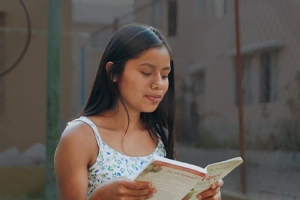
Current Angels of Hope program recipient
Sponsor is originally from Guatemala
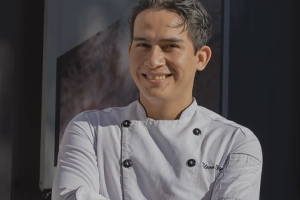
Occupation: High School Senior
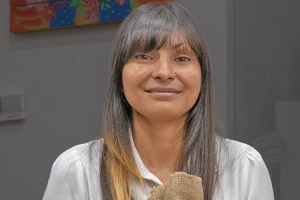
Former Angels of Hope program recipient
Age: 26 years old
Occupation: Artist
Support our Empowering Women Through Sewing project, an initiative dedicated to helping women from underserved communities in Guatemala and Honduras achieve sustainable incomes. Through this program, participants refine their craftsmanship at our training centers, learning to create high-quality handcrafted handbags and other unique products.
To further this mission, we've launched a pilot gift program featuring a selection of our handcrafted handbags. This initiative explores a model where everyday purchases—like a handbag—not only fulfill personal needs but also contribute to a meaningful cause.
A Mercado Global handbag isn’t just an accessory—it’s a meaningful gift that represents hope and resilience. When you shop on our website you're making the statement that poverty isn't inevitable.
Every purchase helps create a stable economic environment within impoverished communities, which can lead to food security and reduce dependency on aid. It’s an investment in breaking the cycle of poverty through fair trade practices that uplift entire communities.
Each handbag is a unique piece of art, handcrafted by skilled artisans who draw on traditional techniques passed down through generations. This supports cultural preservation while giving artisans a source of pride and financial independence.

The Flora Petite Tote is a square silhouette trimmed with leather piping and paired with structured leather handles. The detachable leather strap means you can carry it comfortably over your shoulder or remove it to wear in hand for an on-trend look.
Price: $128

The Flora Petite Tote features a square silhouette trimmed with leather piping and paired with structured leather handles. The detachable leather strap means you can carry it comfortably over your shoulder or can be removed to wear in hand for an on-trend look.
Price: $128

Featuring a leather wristlet and zipper pull, our Mini Lily conveniently and stylishly stores your essentials. Keep in your handbag as an organizer and remove for a chic night look!
Price: $58
Handbags are ethically crafted, prioritizing fair labor practices and sustainable production. With each purchase, you’re helping prove that we can tackle poverty through sustainable community development.
Buying a Mercado Global handbag provides sustainable income for artisans in marginalized communities, directly helping them support their families. By working part-time, artisans can make up to $8 a day, which is enough to lift themselves out of poverty over the course of a few months of engagement.
By shopping with us, you’re supporting a test initiative designed to demonstrate that we can build a sustainable, closed-loop system between our micro-enterprise programs and an online marketplace. If the test is sucessful we'll be able to scale up our programs.



More than 4.7 Billion Meals

96,381 Safe & Secure Homes

105,415 Tractor-Trailers of Essential Aid
