United In God's Work
-
 Donor Login
| -
 0
0 | 
|
 Donor Login
 0
0

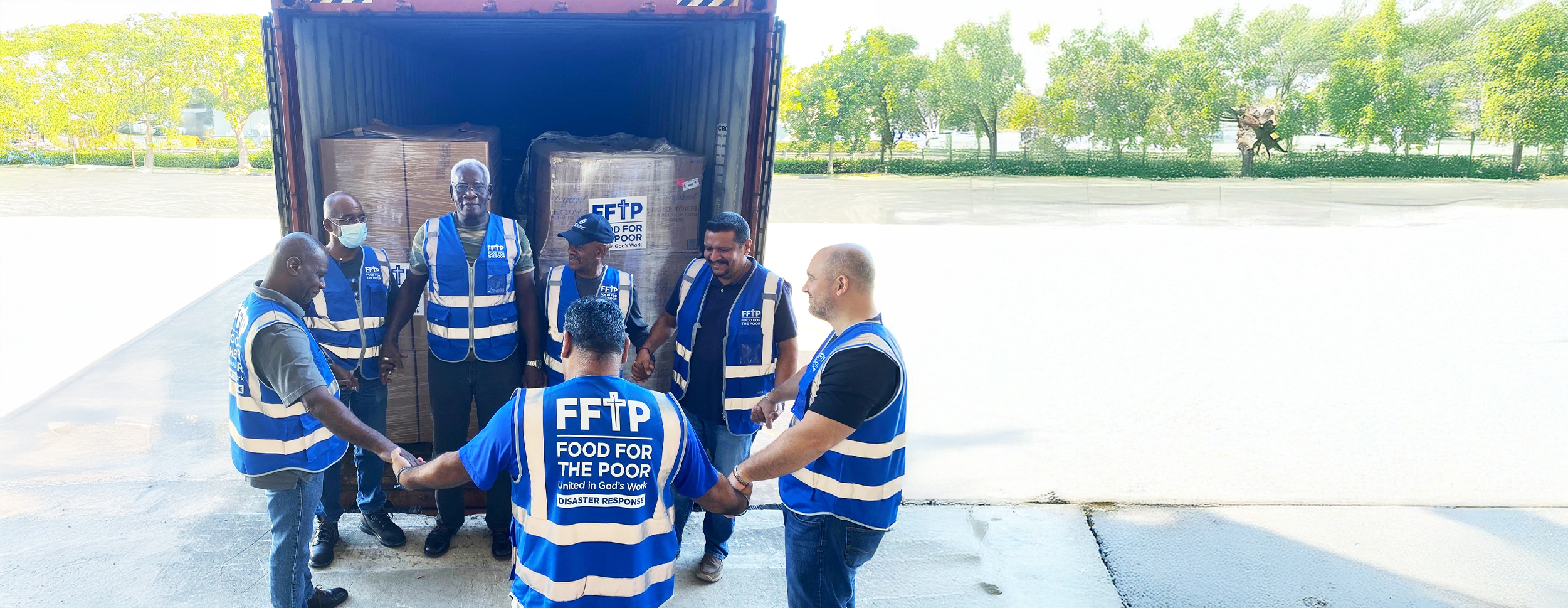
Natural disasters significantly worsen poverty in Latin America and the Caribbean by destroying homes, infrastructure, and livelihoods, often in communities that are already vulnerable. Hurricanes, floods, earthquakes, and droughts regularly hit the region, displacing thousands and wiping out crops, businesses, and jobs. Poor families typically live in fragile housing and unsafe areas—like floodplains or steep hillsides—that are more exposed to disaster risks. When disaster strikes, these families often lose everything and lack the resources to recover, pushing them deeper into poverty. Without insurance or savings, rebuilding homes or restarting businesses becomes nearly impossible, increasing long-term dependence on aid.
Additionally, natural disasters strain public services and disrupt access to healthcare, education, and clean water, which further destabilizes low-income communities. Schools and clinics may be damaged or shut down for extended periods, cutting off vital services for those who need them most. Recovery efforts are often slow, and government support can be limited or uneven, leaving the poor at a disadvantage. As climate change increases the frequency and severity of these events, the cycle of disaster and poverty continues to repeat, trapping communities in a constant state of vulnerability. To effectively reduce poverty in the region, strategies must include disaster preparedness, resilient infrastructure, and support systems that help families recover and rebuild stronger.
Food For The Poor has a long and impactful history of responding to natural disasters across Latin America, the Caribbean, and the United States. Since its founding in 1982, the organization has delivered critical aid to communities devastated by hurricanes, earthquakes, floods, and other emergencies. From the massive 2010 Haiti earthquake, where it provided over 20 million meals and thousands of tons of relief supplies, to more recent responses to hurricanes like Eta, Iota, and Milton, Food For The Poor has consistently mobilized quickly to meet urgent needs. Its emergency response efforts include distributing disaster relief kits, shipping containers with food and medical supplies, and partnering with local organizations to ensure fast, effective support. Beyond immediate relief, the organization also plays a key role in long-term recovery helping rebuild homes, restore livelihoods, and strengthen communities against future disasters. This proactive and compassionate approach has made Food For The Poor a trusted lifeline for vulnerable populations facing the compounded challenges of poverty and disaster.




More than 4.7 Billion Meals

96,381 Safe & Secure Homes

105,415 Tractor-Trailers of Essential Aid
