Political Instability
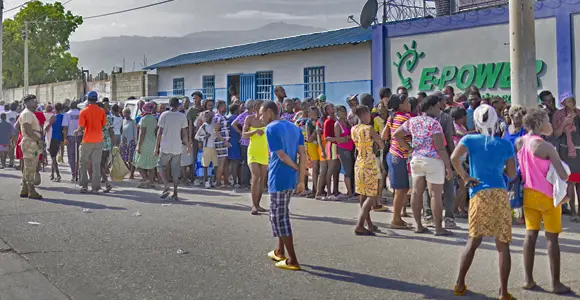
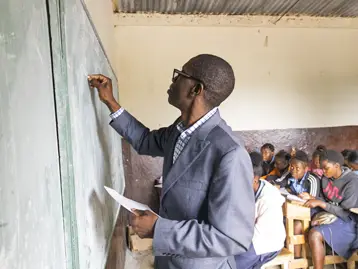
Multiple decades of political instability in Haiti have hampered economic development and stifled investment in crucial sectors such as healthcare, education, and sanitation. Corruption, violence, and a lack of infrastructure contribute to this ongoing issue, leading to a breakdown of law and order. As a result, a large percentage of the population has been forced into exile, leaving behind a vulnerable population on the island. While the poverty rate is alarming, it's been declining since it peaked in 2005 at 80%.
Natural Disasters
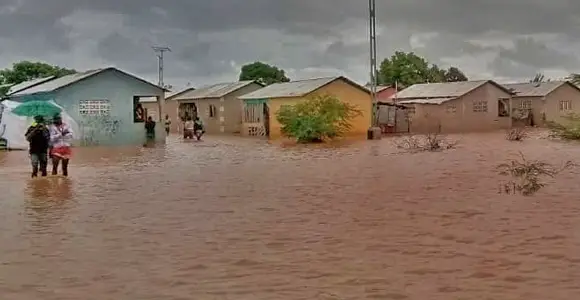
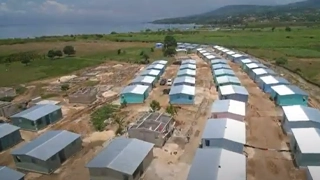
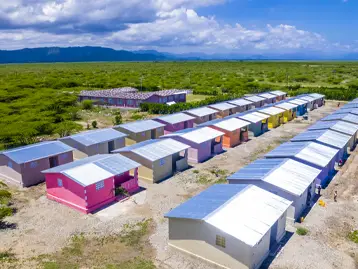
Earthquakes and hurricanes are major poverty causes. The 2010 earthquake caused widespread displacement, with an estimated 1.5 million people left homeless. The 2021 earthquake's impact was just as devastating. The combined impact of hurricanes and earthquakes results in loss of lives, injuries, damage to critical infrastructure, and disruption to agricultural production, leading to food insecurity that quickly escalates to the humanitarian crisis level.
Natural Disasters
Earthquakes and hurricanes are major poverty causes. The 2010 earthquake caused widespread displacement, with an estimated 1.5 million people left homeless. The 2021 earthquake's impact was just as devastating. The combined impact of hurricanes and earthquakes results in loss of lives, injuries, damage to critical infrastructure, and disruption to agricultural production, leading to food insecurity that quickly escalates to the humanitarian crisis level.
Food Insecurity
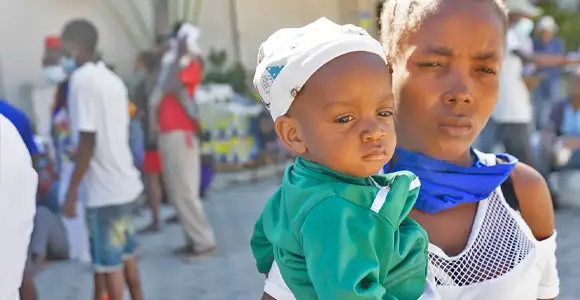
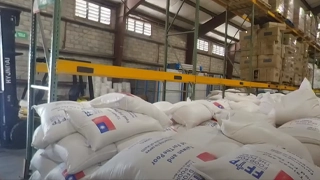
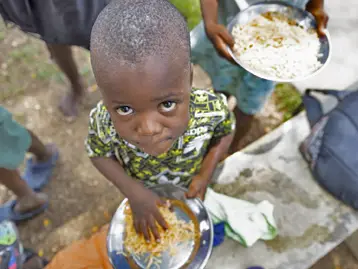
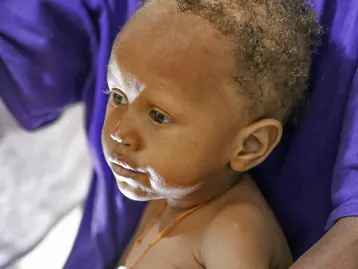
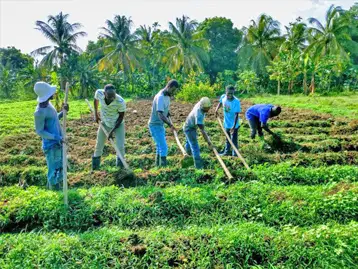
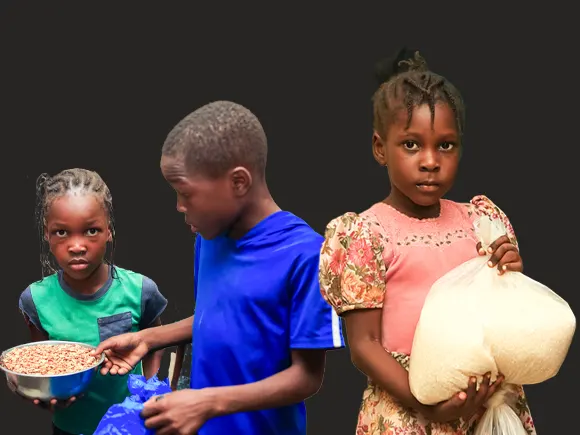
Haiti faces an unprecedented food crisis, ranking the worst in the world. Despite agriculture playing a vital role in the economy, Haiti imports a staggering 80% of its staple food—rice—due to abysmal yields within the agricultural sector. With just 10% of agricultural lands irrigated, Haiti's dependence on rainfall further exacerbates the challenges. The consequences are dire, with one in three children experiencing stunted growth and 100,000 children suffering from acute malnutrition.
 Donor Login