Water, Sanitation & Hygine
How the Lack of Running Water Keeps Families in Poverty
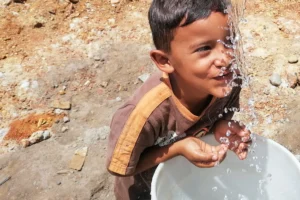
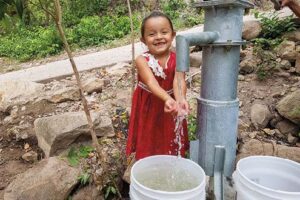
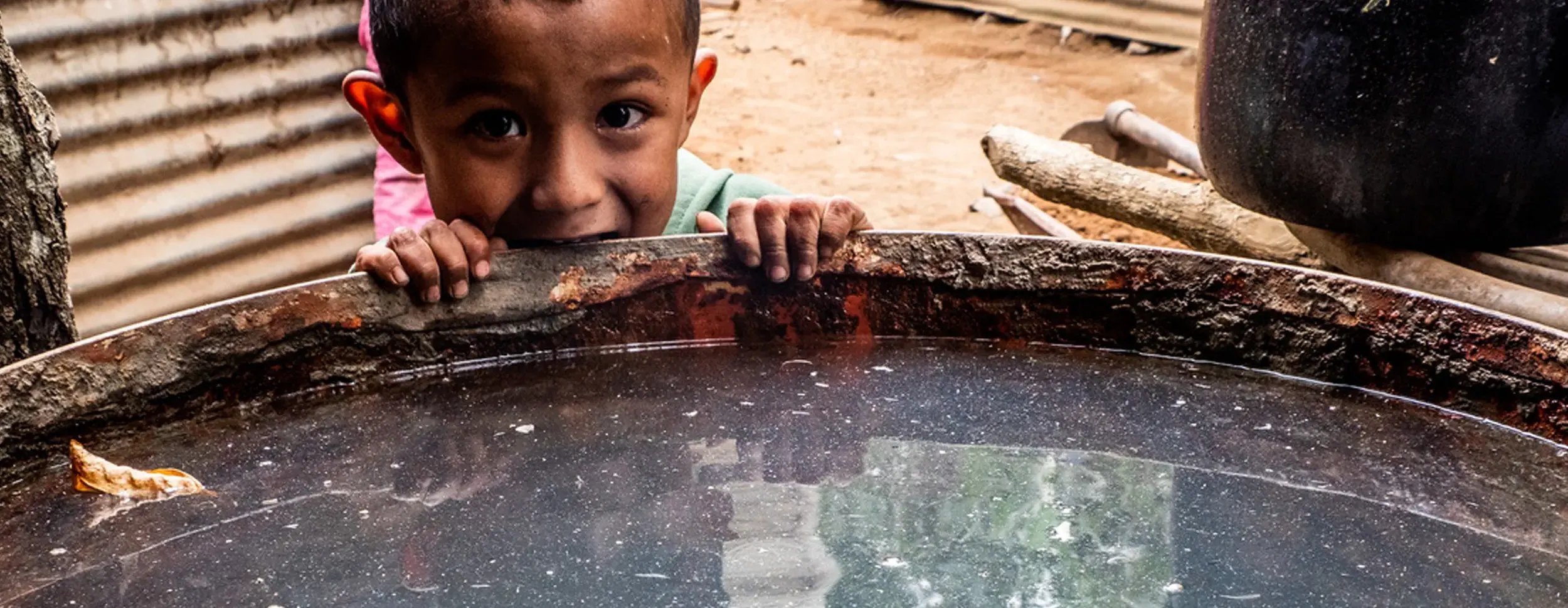
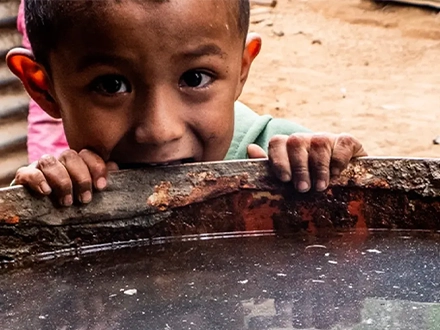
In remote areas, the lack of access to running water has far-reaching consequences for health, education, and economic development. Without reliable water sources, communities often rely on unsafe or distant water supplies, increasing the risk of waterborne diseases like cholera, diarrhea, and typhoid.
The time spent fetching water, often a task assigned to women and children, limits opportunities for education and income-generating activities, perpetuating cycles of poverty. Inadequate water access also hampers sanitation and hygiene practices, exacerbating health challenges and increasing vulnerability to infections.
Furthermore, the absence of running water in schools and health care facilities diminishes their effectiveness, impeding progress toward sustainable development and human well-being. It also prevents communities from achieving sufficient yields in their fruit and vegetable gardens. Addressing water scarcity in these regions is crucial to breaking the cycle of poverty and improving quality of life.