United In God's Work
-
 Donor Login
| -
 0
0 | 
|
 Donor Login
 0
0

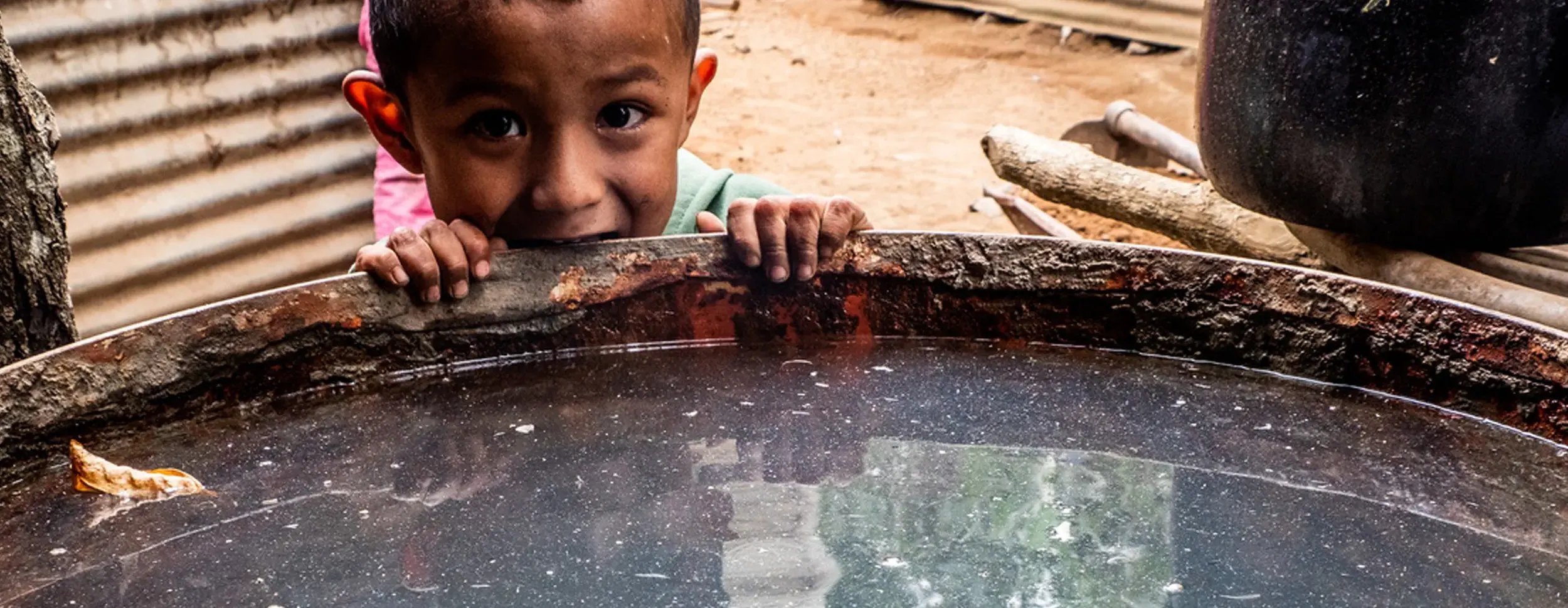
In remote areas, the lack of access to running water has far-reaching consequences for health, education, and economic development. Without reliable water sources, communities often rely on unsafe or distant water supplies, increasing the risk of waterborne diseases like cholera, diarrhea, and typhoid.
The time spent fetching water, often a task assigned to women and children, limits opportunities for education and income-generating activities, perpetuating cycles of poverty. Inadequate water access also hampers sanitation and hygiene practices, exacerbating health challenges and increasing vulnerability to infections.
Furthermore, the absence of running water in schools and health care facilities diminishes their effectiveness, impeding progress toward sustainable development and human well-being. It also prevents communities from achieving sufficient yields in their fruit and vegetable gardens. Addressing water scarcity in these regions is crucial to breaking the cycle of poverty and improving quality of life.
The WASH (Water, Sanitation, and Hygiene) framework is based on the principles of providing clean water, improving sanitation, and promoting hygiene practices to prevent diseases and improve health outcomes, especially in vulnerable populations. It is an essential component of public health strategies, humanitarian interventions, and sustainable development goals (SDGs).
Objective: Ensure access to safe and sufficient drinking water for all.
Key Principles:
Health Impact: Reduces waterborne diseases like diarrhea, cholera, and typhoid.
Objective: Provide facilities for safely managing human waste.
Key Principles:
Health Impact: Prevents contamination of soil and water, reducing the spread of diseases like dysentery and parasitic infections.
Objective: Encourage personal and community hygiene practices.
Key Principles:
Health Impact: Breaks the cycle of disease transmission by maintaining cleanliness.
The success of WASH depends on integrating all three components:
Community Involvement: Encouraging participation in planning and maintaining WASH infrastructure ensures local buy-in and long-term success.
Sustainability: Programs focus on renewable water sources, cost-effective solutions, and empowering communities to maintain systems.
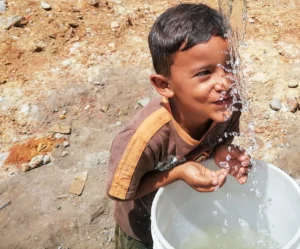

Enteropathogen exposure: Ingestion or contact with pathogenic microorganisms such as bacteria, viruses, and parasites that infect the gastrointestinal tract and cause illnesses, particularly diarrheal diseases. These pathogens are commonly transmitted through contaminated water, food, poor sanitation, and inadequate hygiene practices.
Health Impact: Leads to gut pathology.
Helminth infection: An infestation by parasitic worms, commonly found in contaminated soil, water, and food, affecting the gastrointestinal tract, lungs, and other organs. These infections are prevalent in tropical and subtropical regions.
Environmental Enteric Dysfunction (EED): is a chronic inflammatory condition of the small intestine caused by continuous exposure to contaminated food, water, and poor sanitation.
Key Characteristics of EED:
Bacterial Enteric Infections: Caused by pathogenic bacteria that infect the intestines, leading to inflammation, diarrhea, and other gastrointestinal symptoms.
Common Bacterial Pathogens:
Viral Enteric Infections: Caused by viruses that primarily infect the intestines, leading to acute gastroenteritis. Viral infections are highly contagious and often spread rapidly in communities.
Common Viral Pathogens:
Protozoal Enteric Infections: Caused by single-celled parasites (protozoa) that infect the intestines, often leading to prolonged diarrhea and malabsorption.
Common Protozoal Pathogens:
Iron Malabsorption Due to Gut Inflammation: Chronic gut inflammation from EED reduces iron absorption, even when dietary intake is adequate. Hepcidin, a liver-produced hormone, increases in response to inflammation, blocking iron uptake in the intestines.This results in iron-deficiency anemia, a condition where the body lacks sufficient iron to produce red blood cells.
Parasitic Infections and Blood Loss: Helminth infections (hookworms, schistosomiasis, Trichuris trichiura) cause intestinal bleeding and chronic blood loss, leading to severe anemia.
Diarrhea, Malnutrition, and Micronutrient Deficiencies: Recurrent diarrhea from enteric infections reduces nutrient retention, leading to iron, folate, and vitamin B12 deficiencies, all essential for red blood cell production.
Zinc Deficiency and Impaired Growth: Zinc is essential for cell division, protein synthesis, and immune function. Low zinc levels weaken intestinal integrity, leading to poor nutrient absorption. Zinc deficiency increases infection risk (e.g., diarrhea), further impairing nutrient uptake and slowing growth.
Iron Deficiency and Growth Delays: Iron is crucial for oxygen transport, muscle development, and brain function. Anemia (iron deficiency) reduces oxygen supply to tissues, leading to fatigue, weakness, and slowed physical development.
Vitamin A Deficiency and Immune Suppression: Vitamin A supports bone growth, immune response, and vision. Deficiency increases susceptibility to infections (e.g., diarrhea, measles), which divert energy away from growth. Repeated infections in early childhood contribute to growth failure and stunting.
Iodine Deficiency and Brain Development: Iodine is essential for thyroid hormone production, which regulates growth and metabolism. Severe iodine deficiency during pregnancy and infancy leads to cretinism (severe stunting and cognitive impairment). Mild deficiencies cause suboptimal growth, delayed puberty, and learning difficulties.
Protein and Energy Malnutrition (PEM): Macronutrients (carbohydrates, proteins, and fats) fuel growth and tissue development. Protein deficiency disrupts muscle formation, bone strength, and immune responses, leading to stunting and wasting.
Impact on School:
Access to safe water, sanitation, and hygiene (WASH) is a fundamental determinant of public health and economic development. A substantial body of academic research has established strong linkages between WASH interventions, health outcomes, and poverty reduction, emphasizing their role in breaking the cycle of disease and economic deprivation. Inadequate WASH infrastructure remains a pressing issue in many low- and middle-income countries, where poor water quality, lack of sanitation facilities, and limited hygiene practices contribute to high disease burdens, reduced productivity, and persistent poverty.
Empirical studies have demonstrated that improved WASH conditions significantly reduce the incidence of waterborne diseases, particularly diarrheal diseases, cholera, and parasitic infections, which disproportionately affect children and vulnerable populations
Access to clean water and sanitation is also linked to improved maternal and child health, reducing risks of malnutrition, stunted growth, and child mortality.





More than 4.7 Billion Meals

96,381 Safe & Secure Homes

105,415 Tractor-Trailers of Essential Aid
