United In God's Work
-
 Donor Login
| -
 0
0 | 
|
 Donor Login
 0
0

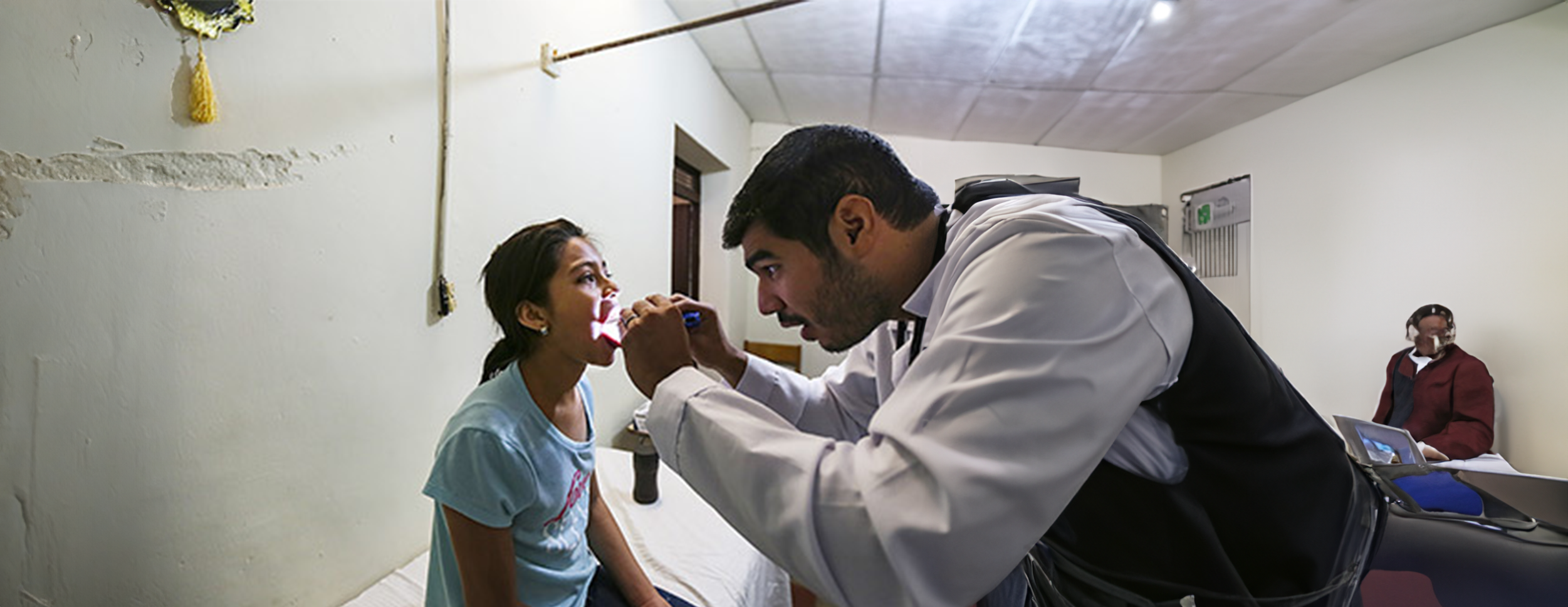
Improving the health of poor families is a powerful step toward breaking the cycle of poverty, but in regions like Latin America and the Caribbean, this is often hindered by significant barriers to healthcare access. When family members are healthy, they are better able to work, attend school, and contribute to their households and communities. However, in many remote and rural areas, healthcare facilities are located far from where people live, requiring long and costly travel over poor infrastructure, which discourages timely medical attention. Poor health can prevent adults from maintaining steady employment and often forces children to miss school, limiting future opportunities.
These challenges are compounded by a shortage of medical professionals, understaffed or poorly equipped clinics, and communication barriers with Indigenous or Afro-descendant populations, all of which limit access to preventive care, early diagnoses, and consistent treatment. Additionally, limited internet and mobile connectivity restrict telemedicine options that could help bridge the gap. Healthcare expenses for preventable or chronic illnesses can also drain already limited resources, making it harder for families to afford basic needs like food, housing, and education.
Yet, healthier children are more likely to thrive in school and eventually access better jobs, creating a ripple effect that can lift entire families out of poverty. When families no longer have to choose between medicine and rent, they can begin to invest in long-term goals. Improving public health—through access to clean water, vaccinations, maternal care, and affordable treatment—raises the overall quality of life and strengthens economic productivity. In this way, addressing health is not only essential for individual well-being but also a foundational strategy for sustainable poverty reduction across the region.
Food For The Poor's anti-poverty healthcare strategy focuses on expanding access to essential medical services, especially in remote and underserved areas. Key aspects include strengthening local health infrastructure by building and equipping clinics, ensuring a consistent supply of medicines and medical equipment, and supporting the training and retention of healthcare professionals. Mobile medical missions brings specialized care directly to communities that lack regular access. Preventative care, including vaccinations, maternal health services, and health education, are prioritized to reduce long-term healthcare costs and improve quality of life.
Additionally, integrating clean water, sanitation, and nutrition programs into the healthcare strategy is crucial, as these factors are closely linked to preventing disease and supporting recovery. By addressing both immediate health needs and the underlying social conditions that contribute to illness, Food For The Poor can create a holistic and sustainable approach to breaking the cycle of poverty.




More than 4.7 Billion Meals

96,381 Safe & Secure Homes

105,415 Tractor-Trailers of Essential Aid
