United In God's Work
-
 Donor Login
| -
 0
0 | 
|
 Donor Login
 0
0

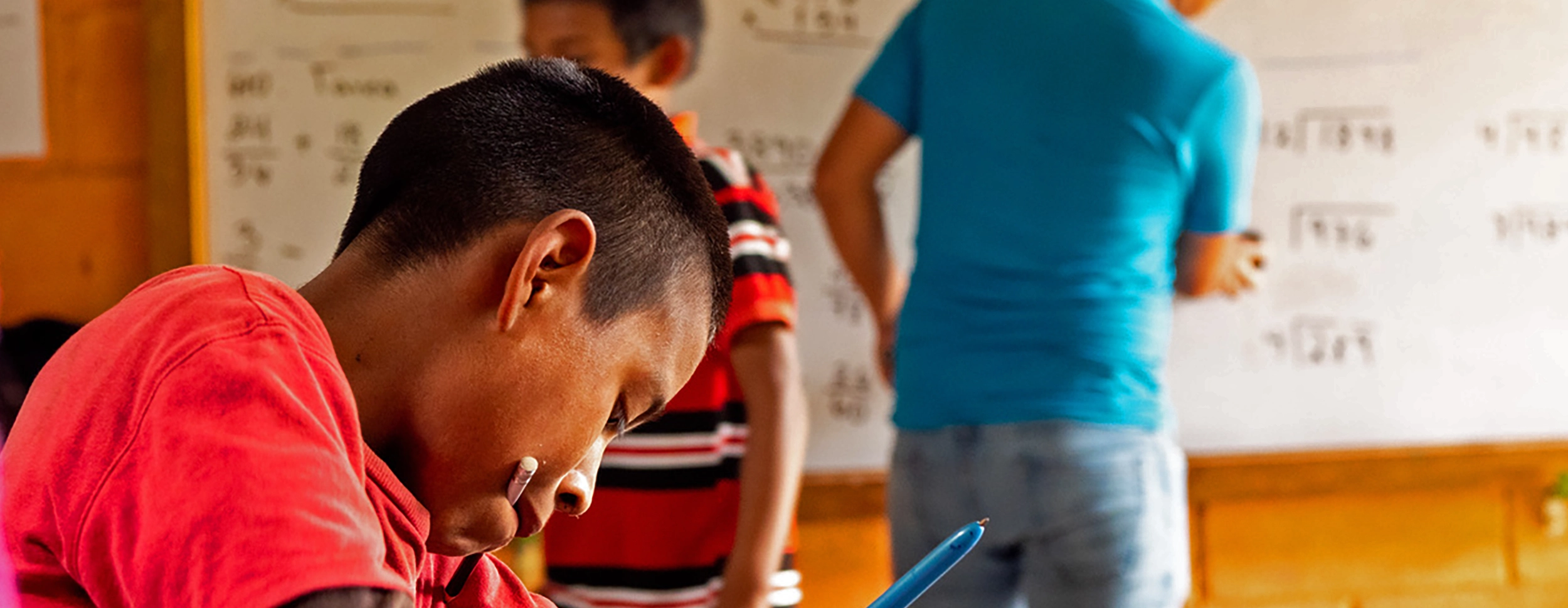
Education in rural and marginalized areas in Latin America and the Caribbean plays a crucial role in reducing poverty, yet access remains a significant challenge. Many remote communities face shortages of schools, trained teachers, and basic resources such as books and technology. Children in these areas are often forced to drop out early due to economic hardships, lack of transportation, or the need to work and support their families.
Without education, they have limited opportunities for stable employment, perpetuating cycles of poverty across generations. However, when investments are made in rural education—such as building schools, training teachers, and providing scholarships—students gain the skills necessary to access better jobs, start businesses, and improve their quality of life. Expanding educational opportunities in these underserved areas not only empowers individuals but also strengthens local economies, creating a pathway out of poverty for entire communities.
Children in remote and marginalized areas encounter numerous obstacles that limit their development and future opportunities. One major challenge is the long distance they must travel to reach the nearest school, often discouraging attendance. Many communities suffer from a severe shortage of teachers and lack essential infrastructure such as electricity, clean water, and proper sanitation, further compromising the quality of education. Additionally, economic hardships force many children to drop out of school early, as they must work to support their families instead of continuing their education.
Poor health care and malnutrition further impact children's ability to learn, as many suffer from preventable diseases and cognitive delays due to inadequate nutrition. The lack of economic opportunities forces many young people to migrate or accept low-paying jobs, perpetuating the cycle of poverty. Additionally, limited internet access and outdated teaching methods restrict learning opportunities, while violence and insecurity in some regions expose children to dangerous environments. Addressing these challenges requires implementing a sustainable community development strategy.
Investing in children from conception through preschool yields the highest returns in reducing long-term poverty because early childhood is a critical period for brain development, health, and foundational skills that shape future success. Additionally, early investments reduce future costs related to remedial education, health care, and social welfare programs. By breaking the cycle of poverty early, children have a greater chance of growing into productive, self-sufficient adults who contribute to economic growth and social stability.
Food For The Poor collaborates with a diverse range of partners to enhance educational opportunities in the Latin America and the Caribbean. These partnerships include corporations, foundations, local organizations, and international agencies, all working together to address educational challenges in underserved communities.
Food For The Poor partners with various organizations to provide school meals to children in need. A recent collaboration with the World Food Program USA focuses on delivering school meals and nutrition initiatives in El Salvador, aiming to combat chronic malnutrition and enhance educational outcomes by ensuring students receive nutritious meals. Additionally, Food For The Poor works alongside local governments, community organizations, and international agencies to establish and sustain school feeding programs throughout Latin America and the Caribbean, strengthening food security and expanding educational opportunities for vulnerable children.
Food For The Poor also partners with local educational institutions, such as Sam Sharpe Teachers' College in Jamaica, to improve educational infrastructure and resources. This collaboration aims to enhance the quality of teacher training and, consequently, the education provided to students.



More than 4.7 Billion Meals

96,381 Safe & Secure Homes

105,415 Tractor-Trailers of Essential Aid
