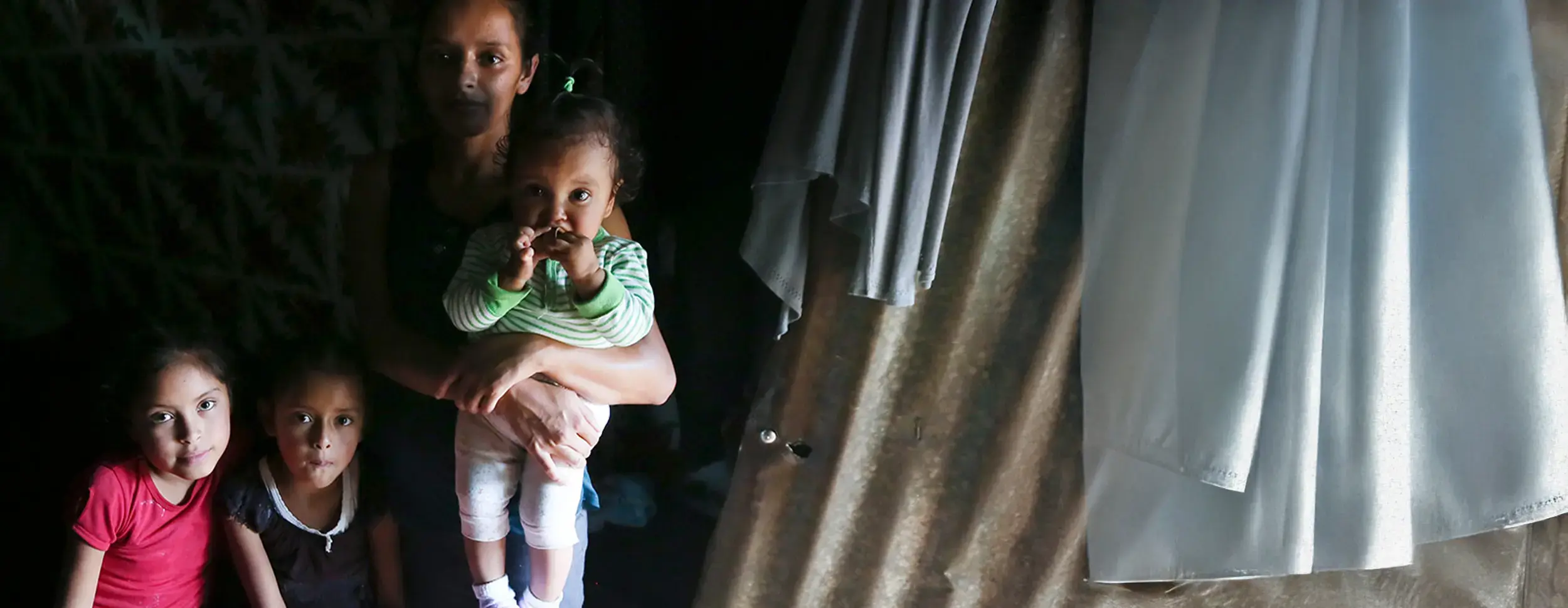
Political Instability
High levels of violence in Guatemala contribute to political instability by eroding trust in the government, fueling social unrest, and affecting electoral processes. Weak governance, displacement, and economic consequences further exacerbate instability. Addressing this issue necessitates tackling root causes like poverty, implementing security reforms, and strengthening governance institutions.
Natural Disasters
Guatemala is vulnerable to various natural disasters, including hurricanes, earthquakes, volcanic eruptions, floods, and landslides. They cause extensive damage to agricultural land, crops, and infrastructure. They also force people to evacuate their homes temporarily or permanently. Displaced families often struggle to find shelter, access basic services, and maintain their economic stability.
Food Insecurity
Guatemalan low-wage workers frequently struggle to secure the means for their basic necessities, such as food. With a substantial chunk of their earnings going to housing, utilities, and transportation expenses, low-wage workers often lack the financial resources to cope with rising food prices. The volatility of food costs is primarily due to fluctuating transportation expenses and adverse climate conditions, most notably droughts.
 Donor Login